
Custom Printed Coins
Bold Prints on Metal
Printed Coins: What They Are and When to Use Them
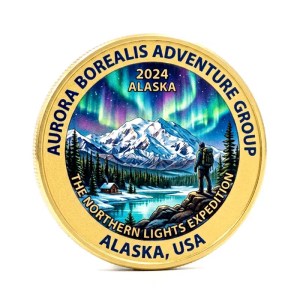
Use full-color printing for artwork with fine details, gradients or photographic elements.
Tell us where these challenge coins will be used and we can help you select a suitable size and finish.

Popular Styles for Printed Coins
Compare related builds and finishes before choosing what fits your order.

UV Printed
Full-color printing for gradients, photos and very small details.
Get a Quote
Soft Enamel
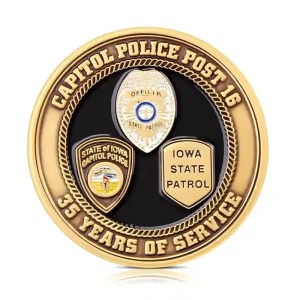
Textured enamel below raised metal lines. The most economical process, bright colors, great for most coins.
Explore Soft EnamelGet a Quote

Hard Enamel
Polished flat and level with the metal. Smooth, durable, premium finish.
Explore Hard EnamelGet a Quote

Die Struck
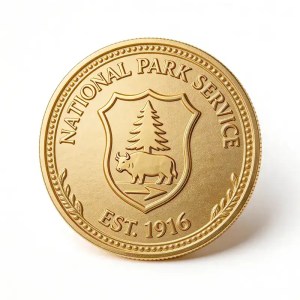
No color — contrast from polished and matte metal, texture and antique plating.
Explore Die StruckGet a Quote

3D Relief
Sculpted three-dimensional relief for faces, mascots and emblems.
Explore 3D ReliefGet a Quote
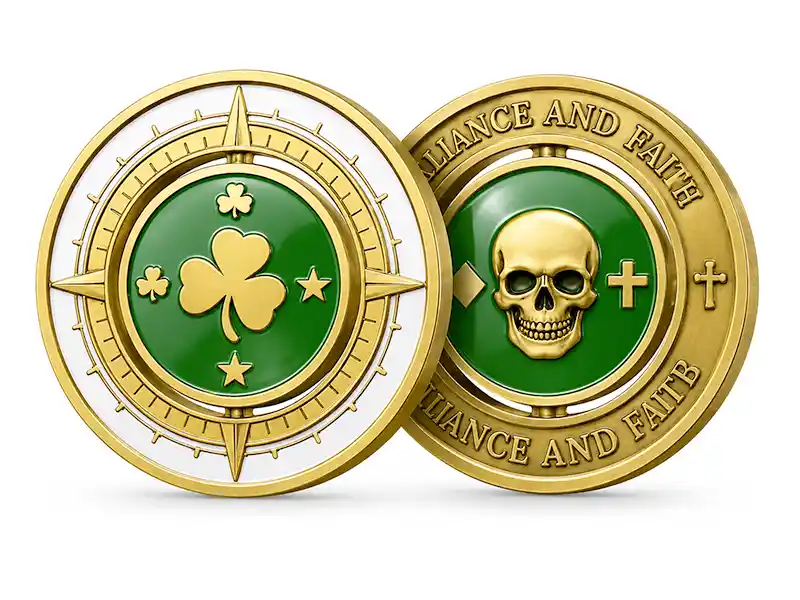
Spinner
A spinning insert that moves freely — a favorite for events and collectibles.
Explore SpinnerGet a Quote
Rush Printed Coins
Most custom coin orders take about 12 days. Rush orders may be prioritized through normal production. If your design fits an in-stock blank, direct UV printing may be faster; ask us to confirm timing and availability.
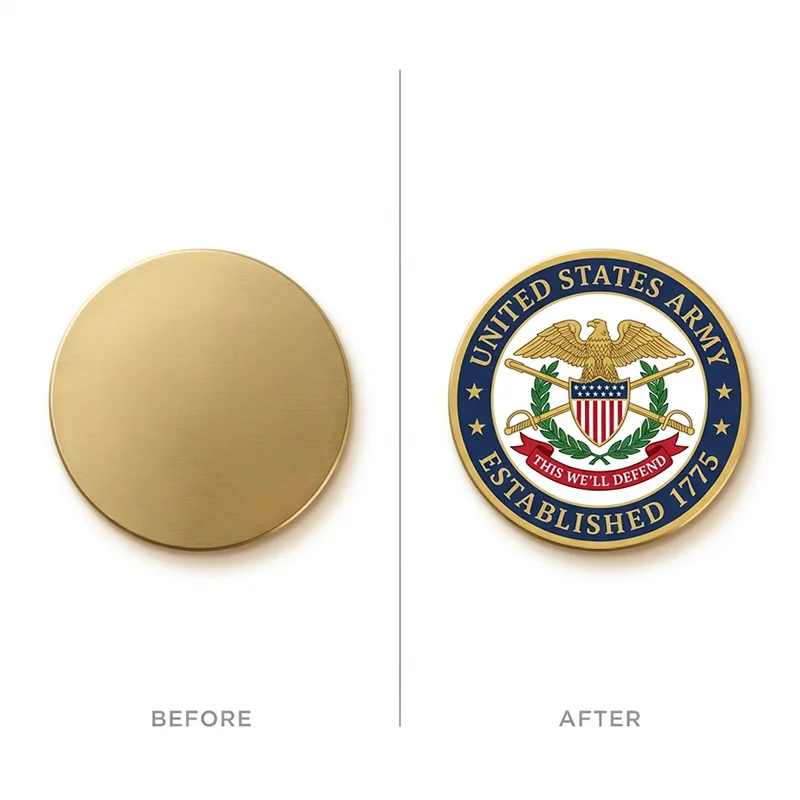
Printed Coins Options
Compare finishes and features. Confirm compatibility with your selected style when requesting a quote.


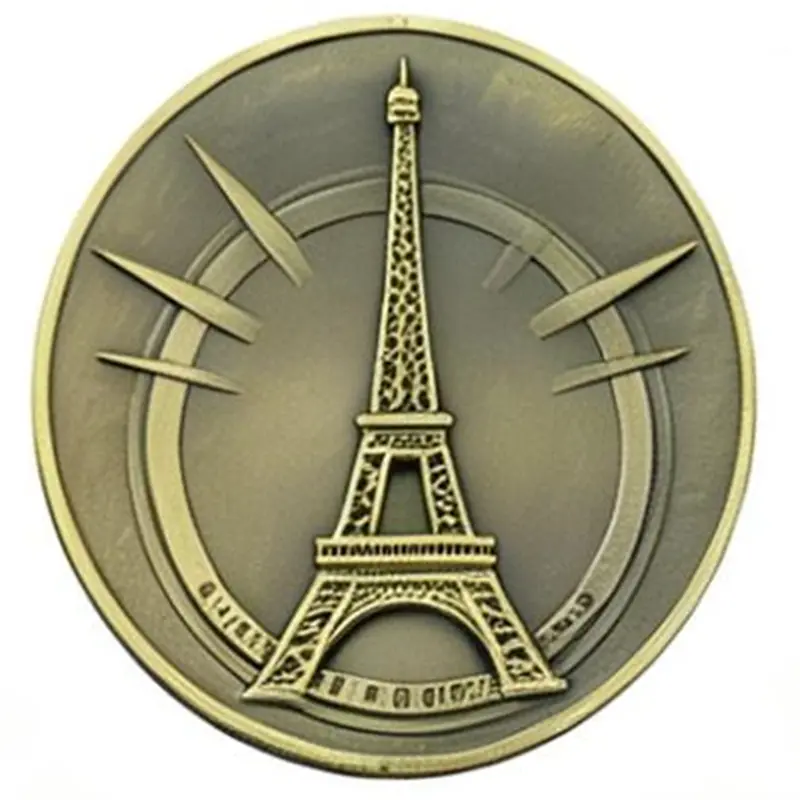

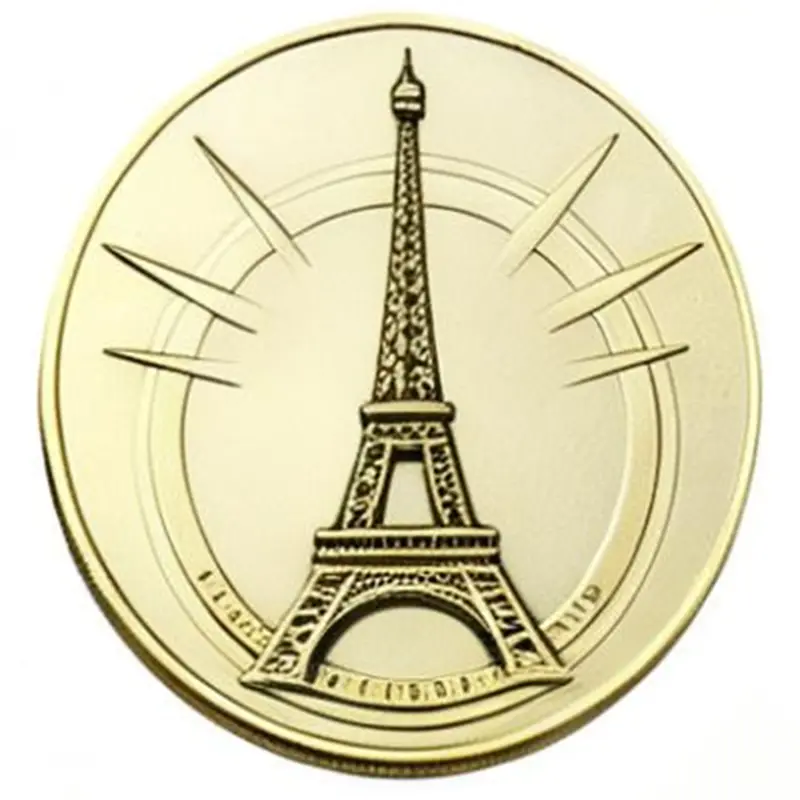
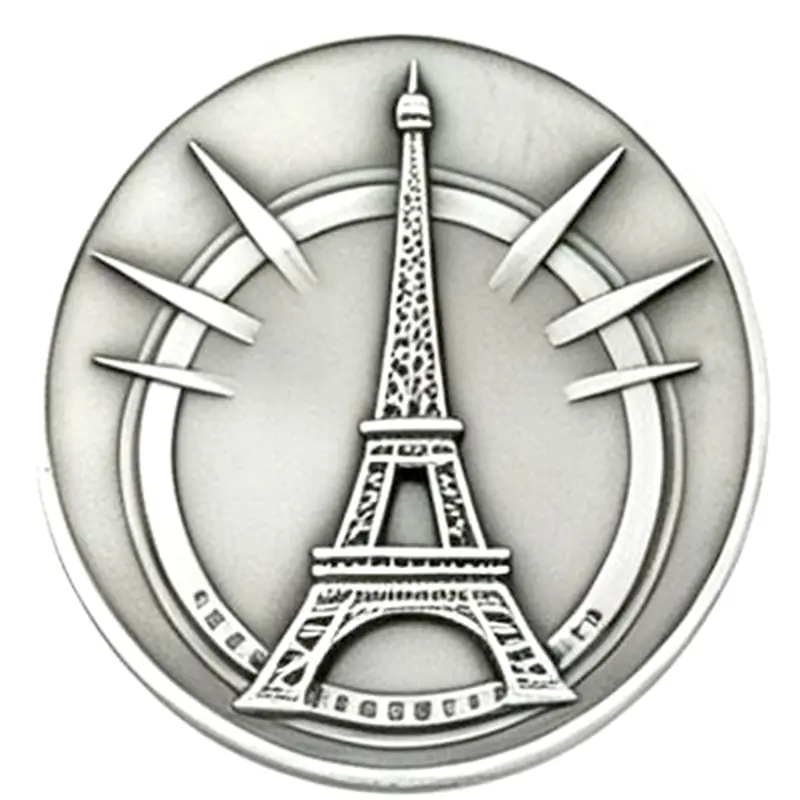
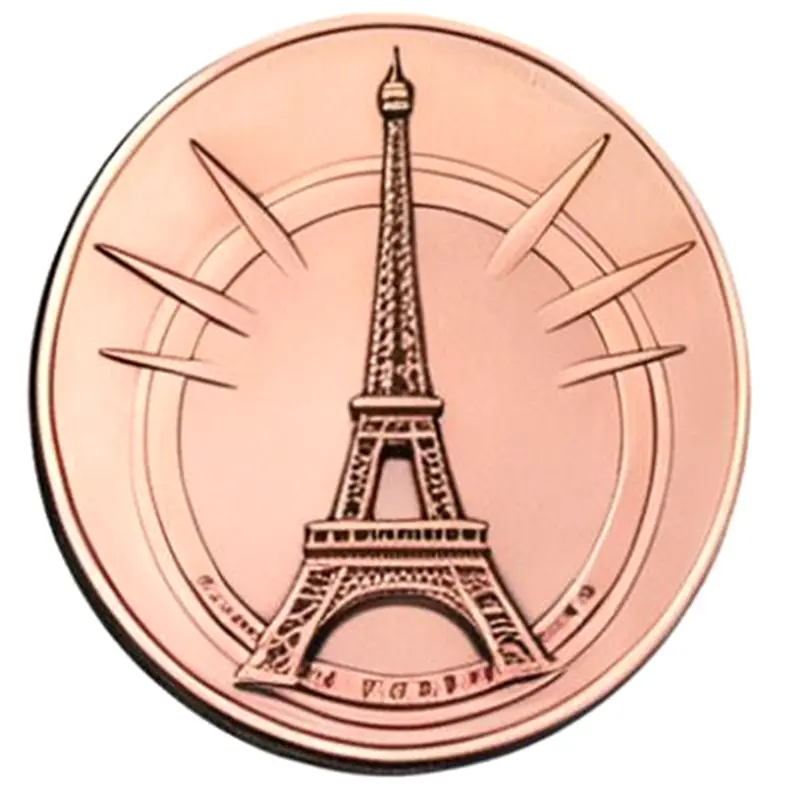

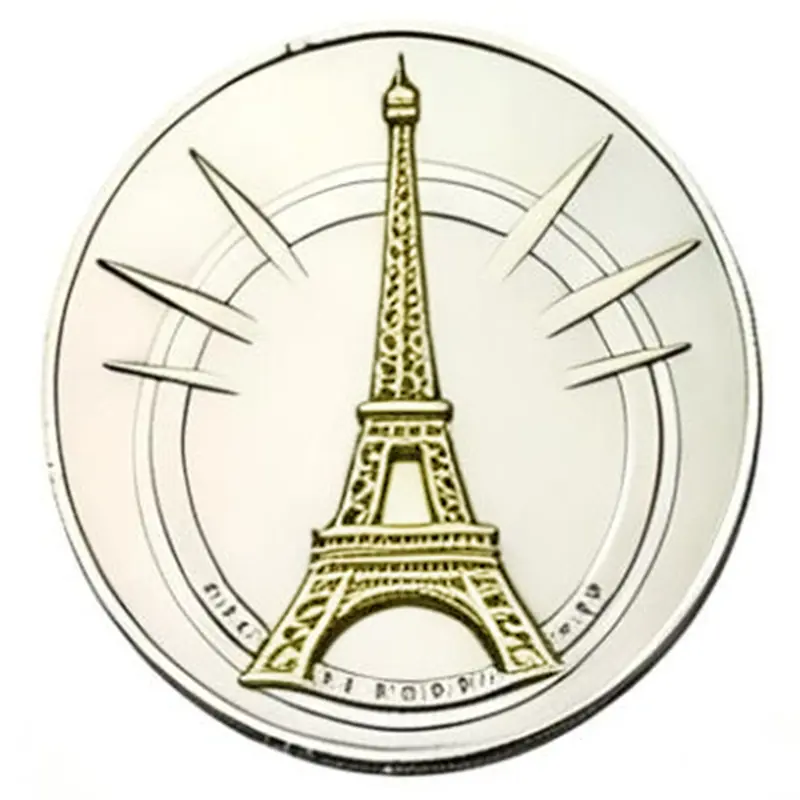
- Textures such as crosshatching or dots soften glare, make text and relief stand out and help protect the back of the coin from scratches. Standard textures are built into the mold at no extra cost.
- Standard edge for a clean, simple look
- Rope edge, a common choice for Navy coins
- Cross cut, spur, oblique line and bezel edges for extra detail
- Glitter in the enamel
- Epoxy dome coating
- Glow-in-the-dark or transparent enamel
- Laser engraved serial numbers
- Printed or UV printed color for very small or complex details
- Poly bags
- Velvet bags or boxes
- Protective acrylic cases, depending on coin size
How to Order Printed Coins
Five steps from choosing a style to approving the order.
01 – Choose a style
Pick a coin style, size and quantity.
02 – Send your design
Upload your logo or sketch and tell us where the finished pieces will be used.
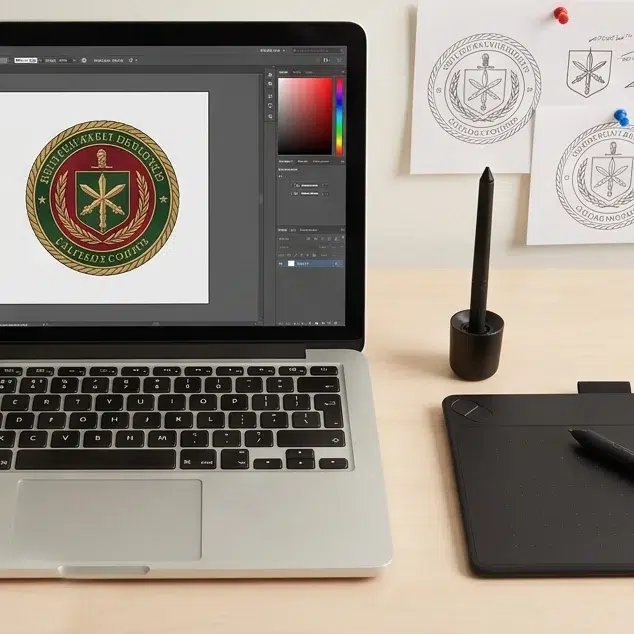
03 – Review the mockup
We prepare a digital proof showing the shape, colors and finish.
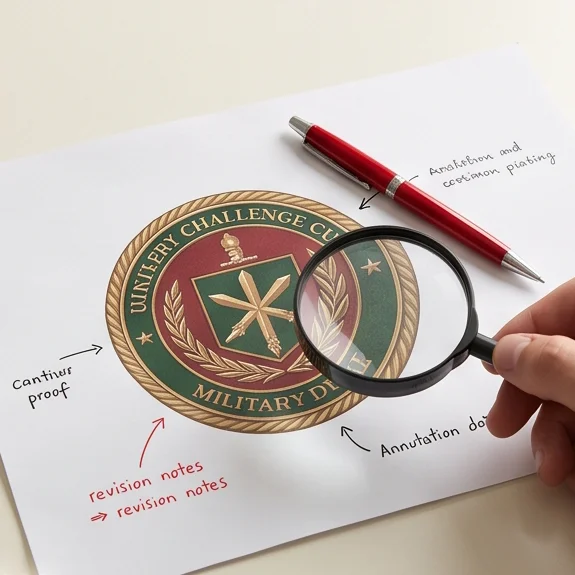
04 – Approve the proof
Check the details and request any revisions before approval.

05 – Confirm the order
Approve the quote and confirm delivery details before production starts.
Why Order Printed Coins From MGM Crafts?
Work directly with our team on design, production and delivery.
Custom design service, completely free of charge.
Direct factory prices with no middleman.
Strict quality control for every product.
Fast shipping to get your order to you soon.
Service capabilities are robust.
Military Challenge Coins – Built for Service, Crafted for Legacy.
Every military challenge coin carries the bond between service members. We create bespoke coins that capture unit pride, mark milestones, and honor shared service moments. Our team understands the deep meaning behind these keepsakes and delivers durable, carefully finished pieces.
Printed Coins Production Process
See what happens after the proof is approved.
Confirm production specifications
The approved proof sets the size, outline and finish.
Prepare the die or mold
The approved artwork is adapted to the selected size, metal and edge.
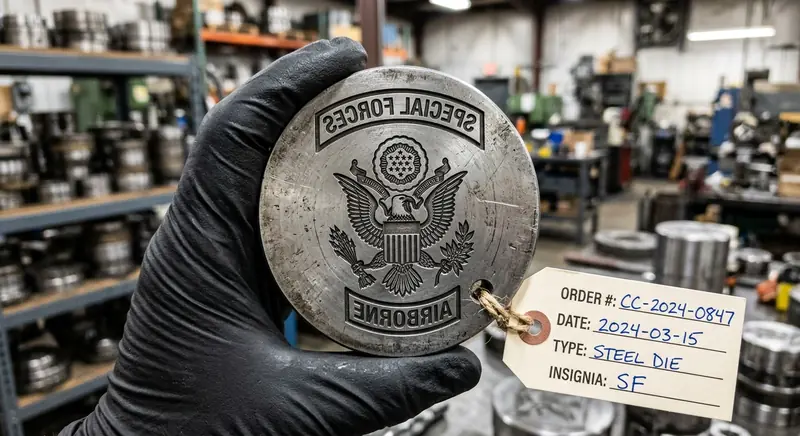
Form and finish the coin
The base is struck or cast, then finished with the chosen plating, enamel or printing.

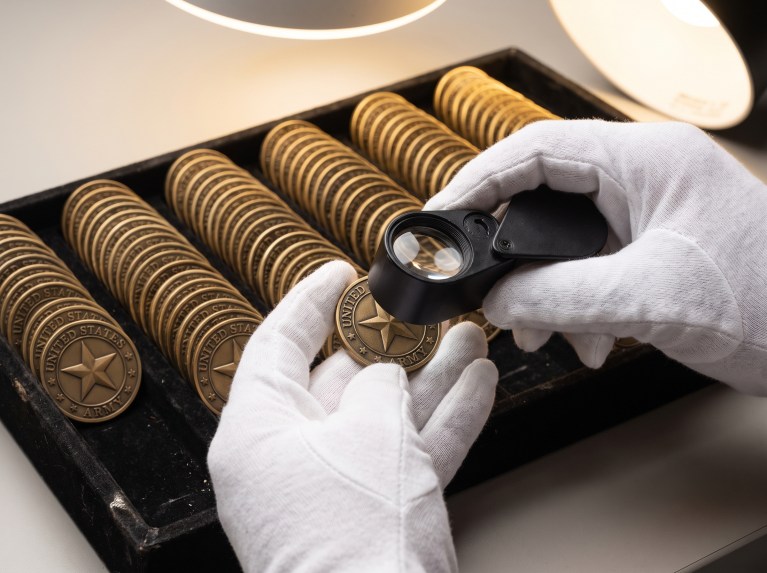
Inspect and pack
Check the dimensions, color and finish, then pack the pieces for shipping.
Printed Coins FAQ
Common questions before ordering.
What are these coin designs used for?
Use full-color printing for artwork with fine details, gradients or photographic elements. Typical uses include complex logos, portraits, event artwork.
Is there a minimum order?
No. You can order as few as one coin.
Do I need finished artwork?
No. Send a sketch, logo or description and our designers will create the artwork and a digital proof for free.
What file formats do you accept?
Vector files (AI, EPS or vector PDF) work best. High-resolution PNG, JPG or PSD files are also fine.
What is the difference between soft and hard enamel?
Soft enamel sits below the raised metal lines and has a textured feel. Hard enamel is polished flat, level with the metal, for a smooth, premium finish.
Which metals do you use?
Brass, copper, iron and zinc alloy. Zinc alloy is used for large coins, cut-outs and high 3D relief.
How long does production take?
Standard and rush production are both available. We confirm the schedule with your quote and proof, based on your design and quantity.
Customer Reviews
Selected reviews of our challenge coins, as published on our Military Coins page.
“Our custom challenge coins look stunning with rich enamel fills. Every tweak we made to the design was handled smoothly.”
“Ordered military coins for our unit’s deployment. The detail on the soft enamel was perfect, and they arrived 2 days ahead of schedule. Our CO was impressed.”
“We ordered 500 corporate logo coins for our trade show. Great price, responsive team, delivered on time. The epoxy dome finish stood out at our booth.”
“Sharp laser engraved security challenge coins. Free artwork edits, delivery arrived ahead of schedule.”
From Our Blog
Design ideas and practical advice for your next order.

Army Challenge Coins: Battalion and Company Coin Design Checklist
Read article →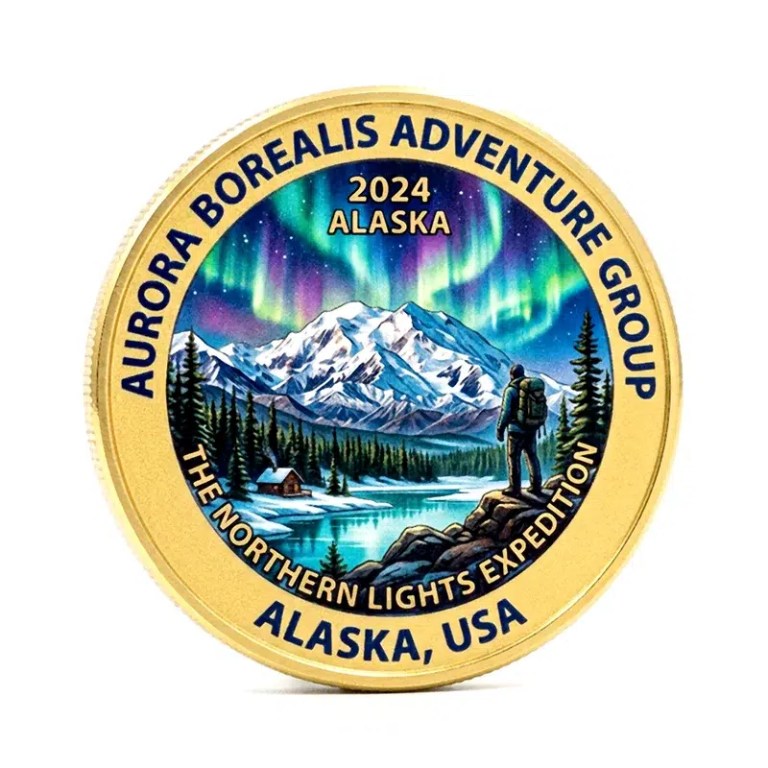
Turn AI Art Into a Challenge Coin: What Survives Production and What Doesn’t
Read article →
Challenge Coin Design Ideas: What to Put on a Unit Coin
Read article →Know MoreShow Less
How to prepare art for a full-color printed challenge coin
A printed coin is useful when a photograph, illustration or gradient can't be reduced to distinct areas of color. The starting file still matters. Choosing printing over enamel doesn't make small type readable or restore details lost before the artwork is sent. Decide what the image needs to communicate when reduced to the actual size.
1. Crop a clear subject instead of shrinking the whole image
Pick the part of the picture a person should notice first. A portrait works better when it doesn't need to share a small space with several other faces, and a building image can be cropped to show its defining features. Use the photo coin design article to decide whether your source artwork fits the format, and the artwork file guide to prepare a file without artificial scaling. Work from the original image where available rather than a screenshot. Keep fine lettering in a separate, calmer area where it won't be read against the source photo.
2. Compare printing, solid color and relief
Review the UV printed challenge coin product and the coin gallery for art scale and overall shape. The same illustration may need a flatter, simpler version if you choose soft enamel coins instead. Compare hard enamel coins if the artwork can be expressed in clean color fields but a smoother finish is important. For a project that combines an image on one face and a simpler raised emblem on the back, use the front and back coin article as a planning reference and confirm which processes can be combined in your quote.
3. Make the background and edges part of proof review
Decide if the printed image should stop inside a border or extend near the edge where a change of finish could be visible. Ask what base color is proposed and how it will affect transparent or pale areas. Look at the coin finish and coating article if the image will be protected with a clear layer; confirm that the proposed combination is offered rather than presuming a coating is included. At actual size, check small letters, the crop and the darkest parts of the photo. If several editions use a changing image, review the lightest and darkest before using one common border color.
4. Specify what shouldn't change
Send a high-quality file, the intended diameter, count, event date and a short note on crop and color priorities. The coin design guide helps document choices for edge, plating and packaging. Confirm you have permission to use the picture or artwork when it belongs to someone else. Ask for separate proofs of any variant and mark personal photos or names so they go only on the intended pieces. If the coin will be on display, look at your reference under the kind of lighting the recipient is likely to use.
Where an illustration is part of a larger brand project, ask the designer to preserve a copy of the crop and layout. That makes the expected art placement much clearer if you extend the set later.