


Which Custom Pin Type Is Right for Your Project?
The main difference lies in texture and finish: hard enamel pins have a smooth, flush surface polished level with the metal; soft enamel pins feature recessed color with raised metal lines creating a textured feel; die-struck pins are purely metallic with no enamel, offering a timeless, elegant look. Choose hard enamel for professional awards, soft enamel for colorful promotional items, and die-struck for classic military or corporate insignia.
How Do Hard Enamel, Soft Enamel, and Die-Struck Pins Differ?
Understanding the fundamental differences between these three custom pin types is essential for selecting the right option for your project. The primary distinction lies in how enamel is applied and finished.
Hard enamel pins are created by filling the recessed areas with enamel powder, then baking and polishing the surface until it’s completely flush with the metal lines. This creates a smooth, jewelry-grade finish that feels flat to the touch.
Soft enamel pins have enamel filled into the recessed areas but not brought level with the metal. The metal lines remain raised, creating a textured, dimensional feel with visible depth between colors.
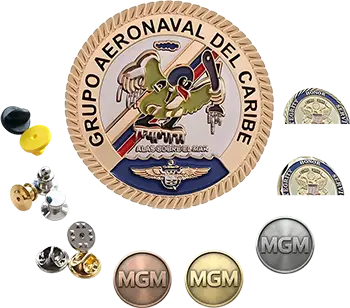
Die-struck pins (also called die-striken or struck pins) contain no enamel at all. They’re created by stamping a design directly into metal, leaving only the metal’s natural texture and finish to convey the design.
What Are the Manufacturing Processes for Each Pin Type?
Hard Enamel Manufacturing Process
The hard enamel process begins with creating a steel mold of your design. A metal strip (typically brass, zinc alloy, or iron) is stamped under high pressure to create the base pin shape. Enamel powder is carefully filled into each recessed color area, then baked at high temperatures to harden. The critical step comes next: the pin is ground and polished until the enamel sits perfectly level with the metal lines, creating that signature smooth surface. Finally, a protective epoxy coating may be applied for extra shine and durability.
Soft Enamel Manufacturing Process
Soft enamel pins follow a similar initial process—design is stamped into metal, creating raised lines and recessed areas. However, enamel paint is added to the recessed areas without being filled to the top. The pins are baked to cure the enamel, but no polishing occurs. This preserves the textured feel with raised metal outlines. The process uses less enamel material, making it more cost-effective. Color dyeing the base metal is also possible with soft enamel, adding unique visual appeal.
Die-Struck Manufacturing Process
Die-struck pins skip the enamel entirely. The design is engraved into a steel die, then metal is stamped under thousands of pounds of pressure using a hydraulic press. The result is a purely metallic pin where the design’s depth and the metal’s finish (antique, shiny, or matte) create the visual detail. Sometimes light coloring or plating is added, but the hallmark of die-struck is its metal-only aesthetic.
Which Pin Type Offers the Best Value for Your Budget?
When budget is a primary concern, soft enamel pins typically offer the best value. They use less enamel material and require fewer manufacturing steps (no polishing), making them the most cost-effective option for high-volume orders.
Hard enamel pins cost more due to the additional polishing and grinding steps required to achieve the flush surface. However, they’re perceived as having higher value and premium quality, making them worth the investment for awards and recognition programs.
Die-struck pins vary in price depending on complexity and metal quality. While they don’t require enamel costs, the precision stamping and high-quality metal needed can make them moderately priced to expensive, especially for intricate designs.
For organizations ordering in bulk—like sports teams, corporations, or event organizers—soft enamel from manufacturers like MGM Crafts provides excellent quality at competitive prices with no minimum order quantity.
Why Do Hard Enamel Pins Feel More Premium Than Soft Enamel?
The premium feel of hard enamel pins comes from their smooth, polished surface that mimics fine jewelry. When you run your finger across a hard enamel pin, it feels completely flat and seamless—the enamel and metal are at the same level.
Soft enamel pins, by contrast, have a distinct textured feel. Your finger catches the raised metal lines, creating a tactile experience with visible depth between colors. While some prefer this dimensional quality, it doesn’t convey the same polished sophistication.
Hard enamel’s durability also contributes to its premium perception. The polishing process creates a harder, more scratch-resistant surface that maintains its appearance longer with regular wear. This makes hard enamel the preferred choice for uniforms, military insignia, and corporate awards where longevity matters.
When Should You Choose Die-Struck Pins Over Enamel Options?
Choose die-struck pins when you want timeless elegance without color. These pins excel for:
-
Military and police badges where tradition demands metal-only insignia
-
Corporate logos with simple, clean designs that translate well to metal depth
-
Historical or vintage aesthetics where antique finishes enhance the look
-
Minimalist designs that rely on form rather than color
Die-struck pins work best when your design has strong lines and sufficient detail to show through metal depth alone. Complex, multi-colored designs don’t translate well to die-struck since there’s no enamel to add color variation.
The timeless look of purely metallic die-struck pins makes them ideal for organizations valuing tradition and heritage. MGM Crafts specializes in creating high-quality die-struck lapel pins with antique or shiny plating finishes that honor this tradition.
How Do You Choose the Right Pin Type for Your Specific Use Case?
Professional Awards & Recognition
Choose: Hard Enamel
The smooth, polished surface conveys prestige and quality perfect for employee awards, achievement pins, and honor society insignia.
Promotional Events & Trade Shows
Choose: Soft Enamel
Cost-effective for large quantities, vibrant colors, and the textured feel adds visual interest without breaking the budget.
Military, Police & First Responders
Choose: Die-Struck or Hard Enamel
Die-struck for traditional badges; hard enamel for colorful unit insignia requiring durability.
Sports Teams & Clubs
Choose: Soft Enamel
Affordable for team orders, allows team colors to pop, and the textured look adds energy.
Corporate Branding
Choose: Depends on Brand Identity
Hard enamel for premium brands; soft enamel for modern, approachable brands; die-struck for traditional, established companies.
Limited Edition & Collectibles
Choose: Hard Enamel
The premium feel and durability make hard enamel ideal for collectible pins meant to be cherished.
What Are the Durability Differences Between Pin Types?
All three pin types offer good durability when manufactured correctly, but there are notable differences:
Hard enamel is the most durable option. The polishing process creates a hard, scratch-resistant surface that withstands daily wear without chipping or fading. The epoxy coating often added provides extra protection.
Soft enamel is very durable but slightly more vulnerable. The recessed enamel can potentially chip if struck hard, though modern manufacturing minimizes this risk. The raised metal lines actually protect the enamel to some degree.
Die-struck is extremely durable since there’s no enamel to chip or fade. The metal itself is the design, so wear only affects the plating over many years. This makes die-struck ideal for heirloom-quality pieces.
For projects requiring pins to last decades—like military service pins or lifetime achievement awards—hard enamel or die-struck are the safest choices.
MGM Crafts Expert Views
At MGM Crafts, we’ve manufactured over 10,000 custom pin projects for clients worldwide since 2003. The most common mistake customers make is choosing pin type based solely on appearance without considering how the pin will be used. Hard enamel isn’t always ‘better’—it’s about matching the finish to your project’s purpose. For promotional giveaways at trade shows, soft enamel delivers vibrant colors at a fraction of the cost. For corporate awards meant to be displayed permanently, hard enamel’s jewelry-grade finish commands respect. And for organizations honorings tradition, die-struck’s timeless metal elegance is irreplaceable. Our team offers 100% free design service with unlimited revisions because we believe the perfect pin starts with the right consultation. Don’t guess—let our manufacturing experts recommend the perfect finish for your specific project needs.”
Conclusion: Making Your Final Decision
Choosing between hard enamel, soft enamel, and die-struck pins comes down to three key factors: budget, intended use, and aesthetic preference.
Key Takeaways:
-
Hard enamel = smooth, premium, durable, moderate cost—perfect for awards and uniforms
-
Soft enamel = textured, colorful, budget-friendly—ideal for promotions and events
-
Die-struck = timeless, metal-only, traditional—best for military and corporate insignia
Actionable Advice:
-
Determine your budget per unit and total quantity
-
Consider where and how frequently the pin will be worn
-
Match the finish to your organization’s brand identity
-
Request physical samples when possible
-
Consult with manufacturing experts like MGM Crafts for professional recommendations
Remember that all three pin types are excellent choices when manufactured properly. The “right” choice is the one that best serves your specific project goals. With MGM Crafts offering no MOQ, 3-day rush turnaround, and 7×24 support, you can order even a single prototype to test before committing to large production runs.
Frequently Asked Questions
Which enamel pin type is most affordable?
Soft enamel pins are the most affordable option because they use less enamel material and require fewer manufacturing steps (no polishing). They’re ideal for high-volume promotional orders where budget matters.
Can I add color to die-struck pins?
Traditional die-struck pins have no enamel color—they rely entirely on metal finish and depth. However, some manufacturers offer limited coloring options like colored plating or minimal enamel accents while maintaining the die-struck aesthetic.
How long does custom pin manufacturing take?
Standard production typically takes 10-14 days. However, MGM Crafts offers 3-day turnaround for rush orders, plus 7×24 customer support to expedite your project timeline.
What’s the minimum order quantity for custom pins?
Many manufacturers require 50-100 piece minimums, but MGM Crafts offers absolutely no MOQ—you can order even a single unique piece, making it perfect for prototypes or personal projects.
Are hard enamel pins worth the extra cost?
Yes, for applications requiring premium appearance and maximum durability. Hard enamel’s smooth, jewelry-grade finish and scratch resistance make it worth the investment for awards, uniforms, and collectibles where quality perception matters.
