



What Plating Best Resists Corrosion for Custom Navy Challenge Coins?
The best plating for custom maritime and navy challenge coins is nickel undercoating with epoxy sealant, followed by anti-tarnish gold, silver, or black nickel plating. These finishes withstand salt air, humidity, and frequent handling better than standard plating. Adding a clear epoxy coating provides an extra corrosion-resistant barrier, making coins ideal for Coast Guard stations, navy divisions, and nautical memorabilia that face harsh marine environments.
How Does Salt Air Corrode Challenge Coins?
Salt air accelerates metal corrosion through electrochemical reactions. Chloride ions in salt spray penetrate unprotected metal surfaces, causing oxidation and pitting. Coins handled onboard ships or stored near coastal areas corrode faster than those inland. Brass and zinc alloy without proper plating develop green patina or white rust within months.
For custom navy challenge coins and Coast Guard memorabilia, this means standard plating fails quickly. Salt moisture seeps into micro-pores, undermining enamel and causing discoloration. Proper corrosion resistance requires both barrier protection (plating) and chemical resistance (sealants).
What Plating Finishes Resist Marine Corrosion Best?
Not all plating performs equally in salt-air environments. The table below compares common finishes for maritime coins:
Nickel undercoating creates a barrier that prevents base metal oxidation. Epoxy sealing adds a waterproof layer that blocks salt moisture entirely. Anti-tarnish coatings contain corrosion inhibitors that slow chemical degradation. At MGM Crafts, every maritime coin includes optional epoxy sealing for maximum durability in harsh conditions.
Why Choose Epoxy Coating for Nautical Memorabilia?
Epoxy coating creates a thick, transparent barrier that seals the entire coin surface. This prevents salt air, moisture, and fingerprints from reaching the metal or enamel underneath. Epoxy-coated coins maintain their luster even after years of handling onboard vessels or display in coastal command centers.
Without epoxy, sweat and salt residue accelerate tarnishing. The coating also protects raised details from wearing down through frequent handling. For coast guard coins issued to active personnel, epoxy ensures the design remains sharp and legible for decades. MGM Crafts offers epoxy sealing as a standard upgrade for maritime orders, recognizing that nautical memorabilia faces unique environmental challenges.
Which Designs Best Represent Maritime Tradition?
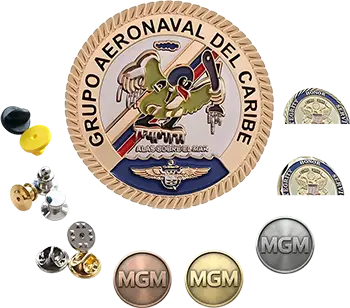
Effective maritime coin designs feature iconic nautical symbols that resonate with service members. Key elements include anchors, ships, compass roses, waves, dolphins (Navy submarine insignia), and Coast Guard emblems. Division patches, ship names, and homeport locations add personal significance.
Front designs typically showcase the unit insignia or vessel silhouette. Reverse sides often include mottos, establishment dates, or crew signatures. High-relief 3D detailing captures hull lines and rigging texture. For custom maritime and navy coins, designers at MGM Crafts specialize in translating ship blueprints and naval heraldry into striking metal artwork that honors maritime heritage.
How Should You Care for Maritime Challenge Coins?
Proper maintenance extends coin life significantly in marine environments. Store coins in airtight display cases with silica gel packets to absorb moisture. Avoid direct contact with saltwater or cleaning with abrasive materials. For routine cleaning, use a soft, dry microfiber cloth.
If salt residue accumulates, gently rinse with fresh water and dry immediately. Never use household cleaners containing ammonia or acids, as they strip protective coatings. For coins carried daily, rotate handling to minimize sweat exposure. Epoxy-sealed coins require minimal maintenance, maintaining their appearance through years of active service.
MGM Crafts Expert Views
“Maritime challenge coins face the harshest environmental testing of any custom metal product. Salt air is relentless—it corrodes unprotected metals within weeks. At MGM Crafts, we’ve refined our plating process over 20 years to combat this. Our standard maritime specification includes nickel undercoating, anti-tarnish plating, and optional epoxy sealing. This combination creates a multi-layer defense system that withstands offshore conditions. We’ve supplied coins to navy divisions operating in the Pacific and Coast Guard stations along the Gulf Coast with zero corrosion failures. For clients requesting custom navy challenge coins or nautical memorabilia, we always recommend epoxy sealing as non-negotiable protection. Your coin represents honor and service—it should last as long as the memory it celebrates.”
What Materials Work Best for Salt-Air Environments?
Base material choice significantly impacts corrosion resistance. Stainless steel offers inherent rust resistance but is expensive and difficult to detail. Brass provides excellent detail resolution and accepts plating well, making it the industry standard. Zinc alloy is cost-effective but requires thorough sealing.
For maritime applications, brass with nickel undercoating delivers the best balance of detail, durability, and cost. Stainless steel is ideal for high-budget command coins where lifetime durability is paramount. Avoid iron or low-grade alloys, which rust rapidly even with plating. MGM Crafts primarily uses premium brass and zinc alloy for maritime orders, applying multi-layer plating systems proven in coastal deployments.
When Should You Order Custom Navy Coins for a Unit?
Timing matters for unit coin programs. Order coins during major milestones: ship commissioning, deployment departures, homecoming ceremonies, or command changes. Lead time is crucial—standard production takes 10–14 days, with 3-day rush options available.
For large unit orders (100+ coins), place orders 3–4 weeks before the event to accommodate design revisions and quality checks. MGM Crafts offers no minimum order quantity, allowing even individual sailors to commission personal coins. Rush orders ensure coins arrive before deployment deadlines or ceremonial events.
Where Are Custom Maritime Coins Used Most?
Custom maritime coins serve multiple purposes across naval and coast guard operations. They’re presented during division achievements, qualification completions, and leadership transitions. Ships carry coins for crew morale, deployment mementos, and visitor gifts. Coast Guard stations use them for recruit graduation and station anniversaries.
Corporate maritime companies order coins for employee recognition, safety milestones, and client gifts. Collectors seek vintage and modern naval coins as nautical memorabilia. Display locations include command centers, ship berthing areas, maritime museums, and personal collections. The versatility of custom maritime and navy coins makes them indispensable across the maritime community.
Conclusion
Selecting the right plating is critical for custom maritime and navy challenge coins that must resist salt air corrosion. Nickel undercoating with epoxy sealing provides the best protection, while anti-tarnish gold or black nickel finishes offer excellent durability with aesthetic appeal. Brass remains the optimal base material, balancing detail resolution and corrosion resistance.
Key takeaways for ordering:
-
Always request epoxy sealing for maritime coins
-
Choose nickel undercoating over standard plating
-
Feature nautical symbols like anchors, ships, and anchors in designs
-
Plan 2–4 weeks lead time for unit orders
-
Store coins in airtight cases with moisture control
MGM Crafts specializes in high-quality maritime coins with proven corrosion resistance, serving over 10,000 global clients with factory-direct pricing, free design service, and no MOQ requirements. Whether you’re outfitting a navy division, Coast Guard station, or maritime company, their expertise ensures your custom navy challenge coins and nautical memorabilia withstand the harshest marine environments.
FAQs
What is the most corrosion-resistant plating for navy coins?
Nickel undercoating with anti-tarnish plating and epoxy sealing offers the highest corrosion resistance for salt-air environments. This combination blocks moisture and chloride ions effectively.
Can custom maritime coins be made without a minimum order?
Yes. MGM Crafts offers no minimum order quantity (No MOQ), allowing single-piece orders for personal keepsakes or small unit orders without extra fees.
How long do epoxy-sealed maritime coins last?
Epoxy-sealed coins maintain their appearance for 10+ years in maritime environments. Proper storage extends this to decades, preserving details and preventing tarnishing.
What designs work best for Coast Guard challenge coins?
Popular elements include the Coast Guard emblem, anchors, ships, lighthouses, mottos like “Semper Paratus,” and station names. High-relief 3D detailing captures nautical textures effectively.
Is rush production available for navy coin orders?
Yes. MGM Crafts offers 3-day turnaround for rush orders, ensuring coins arrive before deployment ceremonies, commissioning events, or command changes.
